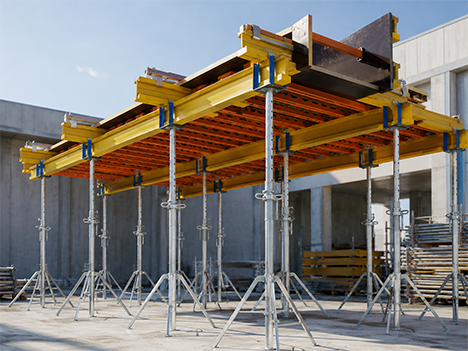
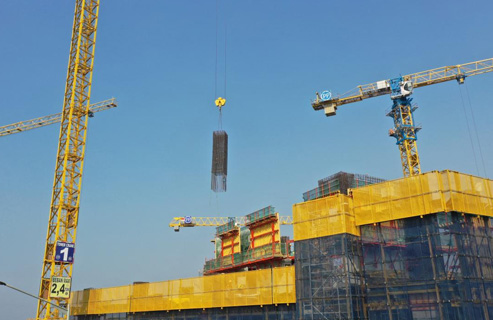
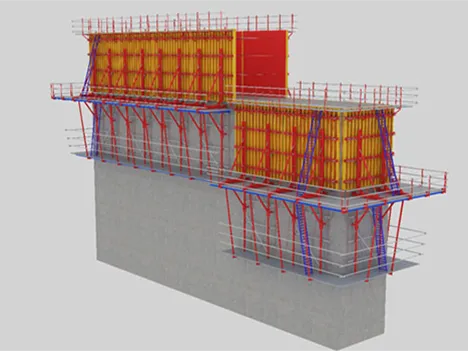
H20 timber beam formwork is a modular formwork system, typically composed of H20 timber beams, plywood panels, and an adjustable support system, used for efficiently forming newly poured concrete. This solution is widely adopted on construction sites because it offers flexible arrangement, replicable construction rhythm, and controllable turnover costs.
The following will explain the workflow, core components, on-site advantages, and selection key points of the H20 system in a way closer to construction organization, making it easier for you to quickly implement in projects.
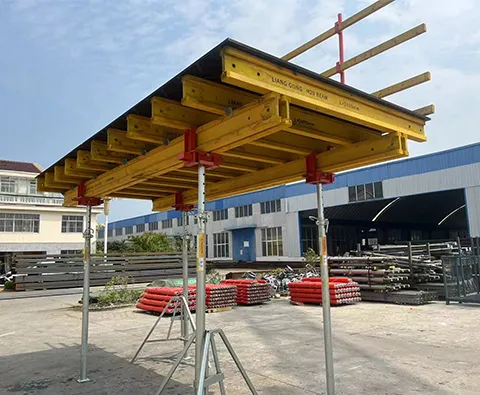
H20 timber beam formwork uses standardized timber beams (H20) as the framework, combined with panels and supports/poles to form a stable formwork force system. Due to the quick adjustment of beam grids, it is particularly suitable for scenarios with "multiple geometric changes within the same item" or "requiring stable repetitive turnover rhythm," avoiding the need to customize large panel systems for every area.
Common applications include:
Floors, beams, and drop panels of residential/commercial buildings
Large area slabs like podiums and basement ceilings
Edge beams, stair openings, elevator shafts, etc., requiring flexible closures and openings
Irregular planes with setbacks/openings/local thickening in floor structures
In expression, many teams may use concrete formwork timber or concrete shuttering timber to describe similar systems, essentially referring to a "timber beam + panel + support" beam grid formwork solution.
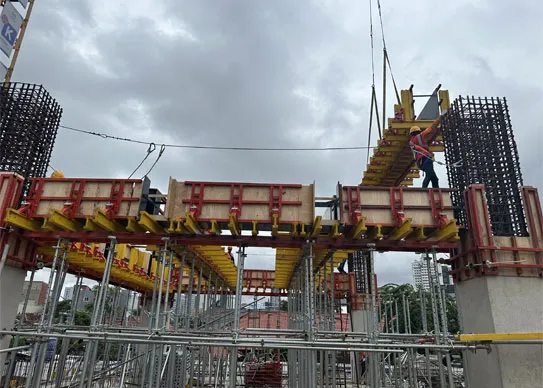
Different projects will develop method statements based on structure and schedule, but a typical H20 timber beam formwork construction cycle generally includes:
Layout and elevation control
Determine the bottom elevation of the formwork and the support grid for quick leveling and stable force.
Beam grid installation
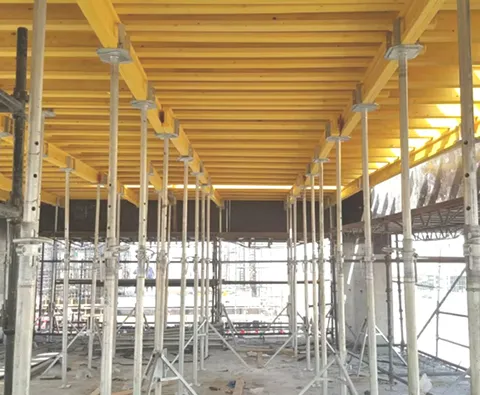
First arrange the main beams (main force path), then arrange secondary beams to form a uniform beam grid system supporting panels.
Panel (plywood) installation
Panel seams and edge treatment directly affect leakage, forming appearance, and stripping smoothness.
Reinforcement, embedment, and inspection space
The beam grid system usually provides good operational space, facilitating rebar tying and embedment installation.
Pouring and surface finishing
The key is maintaining line/elevation stability, controlling deflection, and protecting the panel surface.
Stripping and re-propping/retaining supports (as per plan needs)
Stripping efficiency depends on your pouring rhythm target and early structure load requirements, needing a balance between speed and safe support.
This "replicable rhythmic process" is one of the important reasons why the H20 system is repeatedly adopted as a concrete formwork timber solution.
System performance not only depends on the beam itself but also on the matching and completeness of the entire set of components.
The timber beam is the "skeleton" of the system. When evaluating, you can focus on:
Specification consistency and straightness (affecting leveling and forming)
End protection and surface treatment (affecting turnover life)
Clear identification and standardized management (affecting site allocation efficiency)
The panel determines the concrete contact surface quality and turnover efficiency, usually requiring consideration of:
Forming appearance requirements and acceptance standards
Usage environment and wear/moisture resistance needs
Planned turnover times and replacement strategy
Beam supports and connectors determine whether the beam grid is stably positioned and adjustments are efficient. Well-matched accessories can reduce on-site temporary "patchwork reinforcement," enhancing installation efficiency and stability.
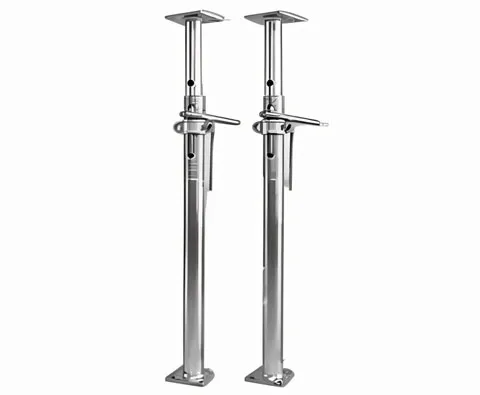
Supports determine system stability and elevation control, recommended to focus on:
Whether the adjustable range meets floor height
Locking reliability and ease of fine-tuning
On-site durability and ease of transportation
When these components are supplied as a "complete system," H20 timber beam formwork is more likely to form stable capacity output on-site.
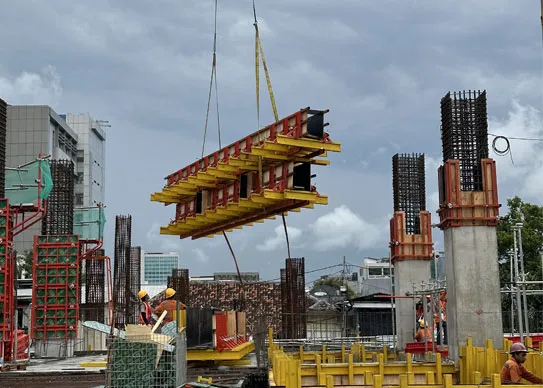
After reasonable configuration and standardized operation, the H20 timber beam system can generally bring the following values:
Beam grids can quickly adjust to fit:
Irregular edges, setbacks, and local structural changes
Elevator shafts/pipe wells/stair openings, etc.
Local thickening, drop panels, and beam bottoms, etc.
Therefore, many contractors use concrete shuttering timber as a "regular forming solution for dealing with changes and openings."
The reason H20 systems are often considered more economical is:
Beams and steel supports can achieve higher turnover (depending on use and maintenance)
Panels can be gradually replaced according to wear conditions, without the need for complete scrap
Standardized components facilitate inventory management and quick replenishment, reducing downtime waiting
Under the premise of proper support spacing, leveling, and seam treatment, timber beam formwork usually helps achieve:
More stable bottom surface flatness
Reduced risk of seam leakage and surface blemishes
More controllable slab thickness and edge detail effects
(Final forming is still influenced by construction quality, pouring method, and site conditions.)
To match the project with the appropriate H20 timber beam formwork configuration, it is recommended to clarify early:
Target pouring area and construction rhythm (single floor/single area cycle)
Floor thickness range, whether there are drop panels/beams/local thickening
Typical span and beam grid arrangement direction preference
Floor height and clearance restrictions (support height and operation space)
Quantity and location of openings/edges/embedments
Stripping and re-propping/retaining support organization method (if needed)
If you can provide overall drawings, sections, zone pouring plans, opening, and embedment lists in advance, manufacturers can more easily provide accurate configuration suggestions and lists quickly.
Where is H20 timber beam formwork mainly used?
Widely used in slabs and beams, suitable for concrete forming tasks requiring flexible beam grid arrangement and repetitive rhythm.
Is there a difference between concrete shuttering timber and concrete formwork timber?
They usually refer to the same concept. "Shuttering" leans more towards British expression, "formwork" is more general/American expression.
How to determine beam spacing and support spacing?
It should be calculated according to slab thickness, load, beam and panel performance, and allowable deflection requirements, or determined through scheme deepening. It is not recommended to set freely on-site based on experience.
Can the H20 system cope with irregular floors and numerous openings?
Yes. Quick adjustment of beam grids and detailed closure ability is one of the core advantages of timber beam formwork.
As a formwork manufacturer, we can provide configuration suggestions, supply, and packaging delivery coordination support. You can view system information on our H20 timber beam formwork product page and submit drawings, rhythm targets, and forming requirements, so we can provide more matching solutions and lists.