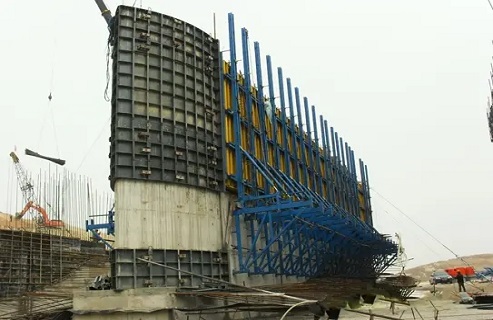
The aluminum alloy wall formwork is a modular wall molding method that achieves stable linearity, replicable construction rhythm, and consistent forming quality of cast-in-place concrete walls through lightweight aluminum formwork panels and standardized accessories. This system is often used in projects requiring "stable production capacity, controllable precision, and high turnover efficiency," especially suitable for buildings with relatively regular wall layouts and high repetition of standard floors.
For system configuration and product information, please refer to: aluminum wall formwork.
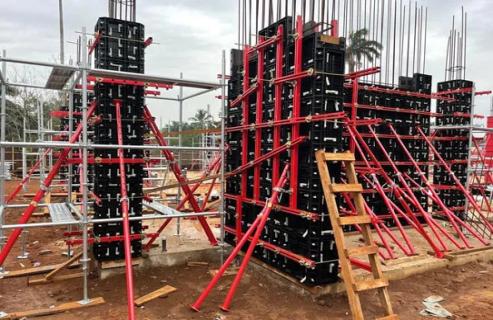
The aluminum alloy wall formwork is usually assembled from framed aluminum panels to form a stable "mold" through connections, tie rods, and braces for shear walls, core tube walls, exterior walls, and interior partition walls in cast-in-place wall sections. During pouring, the tie rod system resists lateral pressure, and the brace system controls verticality and straightness. After dismantling, it can proceed to the next cycle.
Compared to traditional wall formwork (wood formwork setup or heavier steel formwork systems), the advantages of the aluminum formwork system commonly include:
Lighter weight, conducive to quick positioning and local adjustments
Higher modularity, helping to form standardized and replicable floor rhythms
More systematic linear control, with tie rods + braces + standard connectors beneficial for precision management
Comprehensive cost control centered on turnover (dependent on maintenance and operational standards)
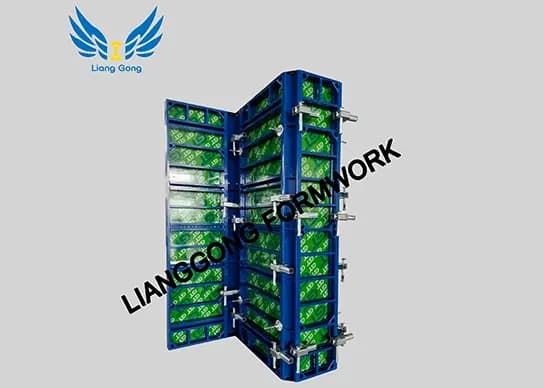
A typical **aluminum wall formwork** system usually includes:
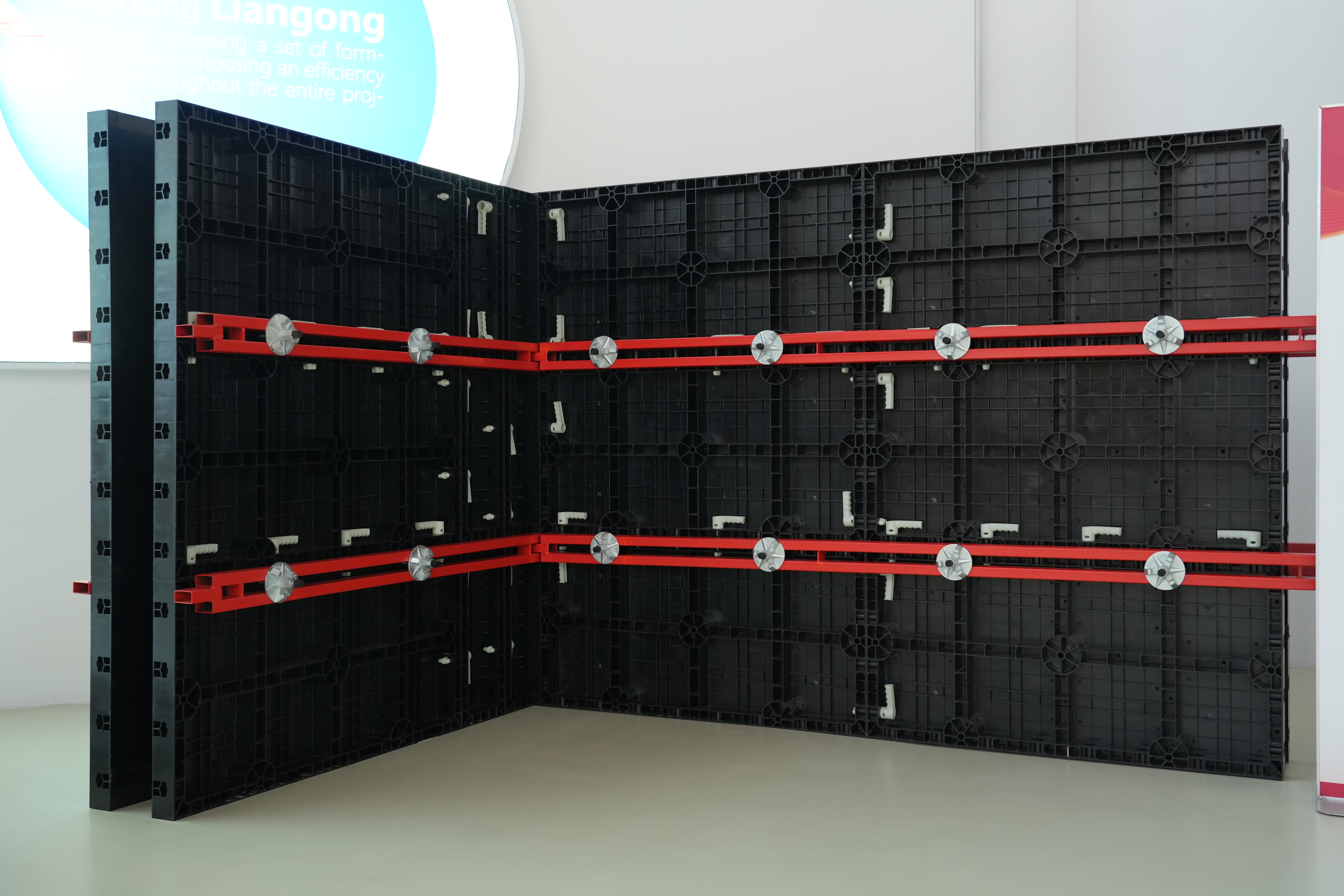
Wall panels (standard panels + supplementary panels, used for closing dimensions)
Corner solutions (inner/outer corners; adjustable angle molds can be equipped if necessary)
Tie rod system (tie rods, sleeves/cones, washers/nuts, etc.) used to control wall thickness and resist lateral pressure
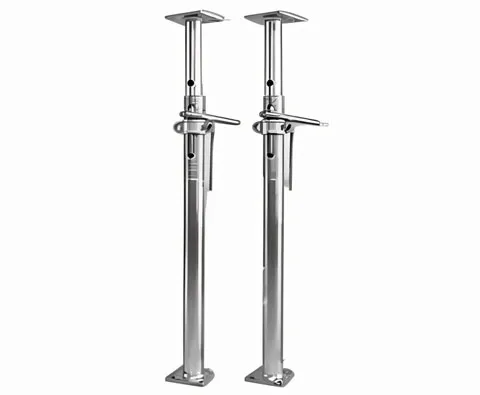
Bracing and correction (push-pull braces/braces) used for verticality and straightness control
Connectors and small accessories (pins, wedge pieces, clamps, etc.) determining seam tightness and assembly/disassembly efficiency
Openings and detailed accessories (door and window openings, skirting/guiding walls, edge closures, etc., configured according to the project)
Common on-site procedures can be summarized as:
1) Layout and benchmark control (wall lines, elevation)
2) Panel positioning (priority to corners and key control lines)
3) Connection and locking (pins/wedge pieces/clamps)
4) Tie rod installation (check spacing and ensure embedded protection)
5) Bracing reinforcement and correction (recheck verticality, linearity, seams)
6) Pouring and vibration (control layer height and lateral pressure)
7) Formwork removal, cleaning, and turnover preparation (protect panel surfaces, proceed to the next cycle)
The appearance and rework risk are often determined by three types of details: seam leakage prevention, brace correction in place, and cleaning and maintenance after formwork removal with standard use of release agents.
Different building types correspond to different evaluation dimensions, and the following expressions are more in line with on-site needs:
High-rise building aluminum wall formwork: Often used in high-rise core tube and shear wall systems. When the repetition rate of standard floors is high and precision requirements are strong, standardized panels and stable correction processes help improve rhythm (provided that vertical transportation and hoisting organization are reasonable).
Commercial aluminum wall formwork: Commercial projects have more concentrated schedule pressures, with higher requirements for progress controllability and wall geometric consistency. Repeated core tubes, equipment rooms, and logistics area walls are easier to demonstrate efficiency.
Residential aluminum wall formwork: When the repetition rate of standard floors in residential buildings is high and wall lines are relatively regular, advantages are obvious. Through turnover planning and standardized operations, it helps stabilize labor productivity and reduce material waste.
Overall, commonly recognized advantages include:
Faster and more predictable construction rhythm brought by standardization
Verticality/linearity control capability brought by the tie rod and brace system
More consistent wall surface appearance when seam and panel management are in place
Cost efficiency driven by turnover and reduced rework (related to project management)
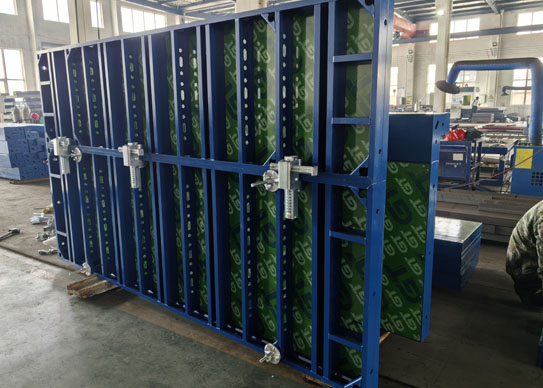
Before determining the panel configuration and checklist, it is recommended to clarify the following input conditions:
Structure and Geometry
Wall thickness range (whether there are thickened areas)
Floor height and pouring stratification strategy
Repetition rate of standard floors (standard/non-standard floor ratio)
Corners, offsets, and special wall sections such as slanted walls/curved walls
Openings (doors, windows, shafts, MEP openings) and embedded parts list
Construction Organization and Goals
Segment/single-floor target rhythm
Pouring sequence and segmentation strategy (core tube first or periphery first, etc.)
Forming appearance and allowable deviation requirements
Site constraints (hoisting resources, access, storage yard, and pre-assembly space)
System Matching Key Points
Corner and supplementary panel strategy (reduce on-site cutting and temporary patching)
Tie rod spacing logic (balance between lateral pressure resistance and efficiency)
Brace arrangement and correction path (ensure linearity and operational safety)
It is used for forming cast-in-place concrete walls (core tube walls, shear walls, partition walls, etc.), achieving quick assembly and disassembly and precision control through turnover panels, tie rods, and braces.
Yes. High-rise building aluminum wall formwork is often used in wall systems with high repetition rates of standard floors and strong linear control requirements, but it requires matching reasonable tie rod/brace design and pouring methods.
The key lies in brace correction, tie rod installation verification, seam locking, and pre-pouring inspection; thorough panel cleaning, necessary seam sealing, and standard use of release agents help improve appearance consistency.
Handling and assembly/disassembly standards, avoiding impact deformation, cleaning and maintenance, storage environment, and regular inspection and repair systems.
Wall plan, elevation/section, floor height, opening list, standard floor repetition assumptions, and target pouring rhythm.