Due to its lightweight structure, durability, and high reusability, plastic formwork has become an important solution in modern construction. As the construction industry continues to move towards industrialization and efficient construction models, the application of plastic formwork systems in residential, commercial, and infrastructure projects is becoming increasingly widespread. These projects often require high construction speed, quality consistency, and cost control.
Compared to traditional materials such as steel formwork and wood formwork, plastic systems provide a more flexible and standardized solution in concrete forming. The development of plastic building formwork has also benefited from advances in polymer material engineering technology and modular system design.
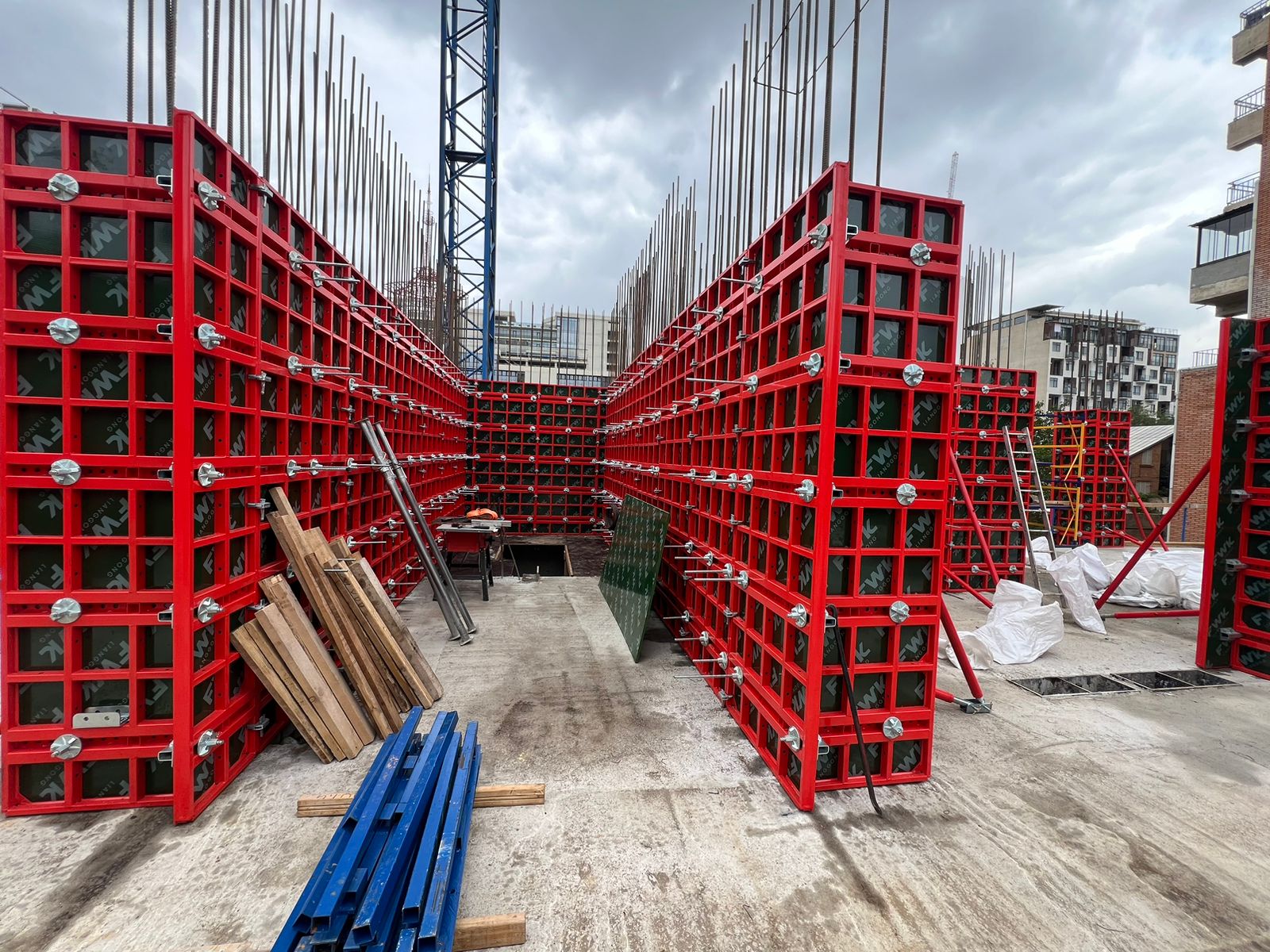
Plastic formwork is a modular construction system made from high-strength plastic materials, used for shaping and supporting newly poured concrete until it reaches sufficient strength.
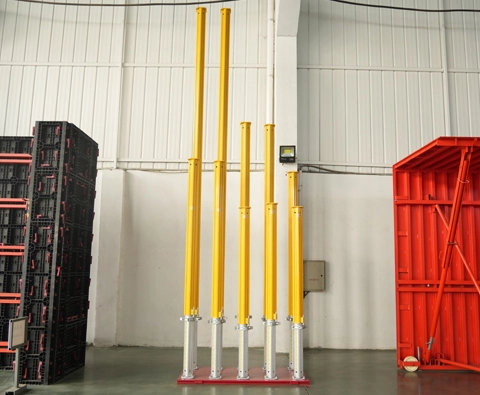
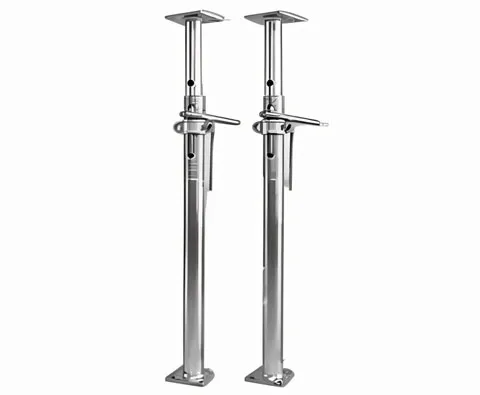
A complete plastic formwork system includes formwork panels, connectors, locking accessories, and support components. These parts are designed for quick assembly and disassembly, making them an efficient solution in modern plastic concrete formwork systems.
Unlike traditional materials, plastic formwork materials do not absorb water, allowing them to maintain stable performance during construction and ensure consistency in the concrete surface quality.
Plastic formwork systems are designed according to different structural forms to meet diverse construction needs. Each type is optimized for different load conditions, installation methods, and structural applications.
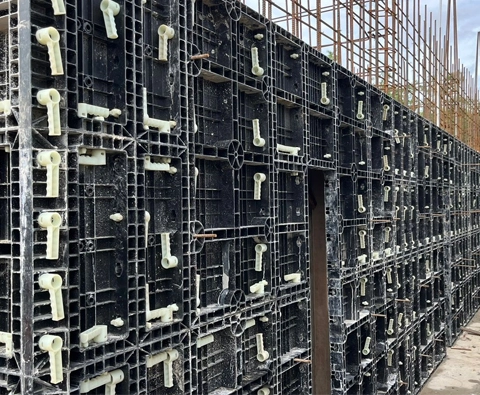
Plastic wall formwork is used for vertical concrete structures, which require stable verticality control and effective resistance to lateral pressure during pouring. This system is commonly used in shear walls, retaining walls, and building perimeter structures.
The plastic formwork system for walls can provide a smooth concrete surface effect, reducing or even eliminating subsequent plastering processes. Its modular nature allows it to be reused across multiple floors, thus improving construction efficiency.
Moreover, plastic wall formwork ensures consistency in the geometric dimensions of the structure, reducing installation errors, making it highly suitable for repetitive structural layouts.
Plastic column formwork is used for forming columns, supports, and other vertical load-bearing components. The system needs to ensure shape accuracy while being able to withstand lateral pressure during concrete pouring.
The lightweight structure of plastic formwork allows column formwork to be installed and dismantled without large machinery, improving construction speed and reducing labor requirements.
Reusable plastic formwork is particularly efficient in column construction, as it can be recycled in multi-story buildings or similar structures, enhancing long-term economic benefits.
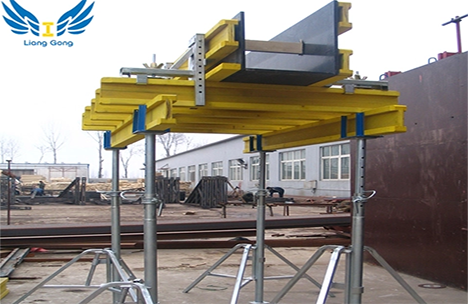
Plastic beam and slab formwork is used for horizontal structural components such as floors and beam structures. During concrete curing, these structures require uniform thickness and stable support.
This system can efficiently cover large construction areas while maintaining consistency in structural quality. The modular panel design allows for quick installation and dismantling, making it very suitable for multi-story building construction.
Compared to traditional materials, plastic slab systems can significantly reduce installation time and improve the overall construction process efficiency.
One of the most important advantages of reusable plastic formwork is its ability to maintain stable performance even after multiple uses. Unlike wooden formwork, which gradually deteriorates, plastic materials can retain structural integrity even after repeated cycles of use.
This makes plastic reusable concrete formwork very suitable for large-scale, highly repetitive construction projects.
Plastic formwork is significantly lighter than steel formwork and easier to manage than wood formwork. Construction personnel can complete transportation, installation, and dismantling without heavy equipment, thereby improving overall construction efficiency.
Unlike wood, plastic does not absorb water and does not deform due to environmental changes. This makes plastic formwork more reliable in humid or complex environments.
At the same time, its corrosion resistance also makes its service life significantly longer than traditional materials.
Plastic formwork can form a smooth and flat surface after concrete pouring, reducing or even eliminating additional plastering processes, thus lowering post-processing costs and enhancing construction efficiency.
Concrete does not easily adhere to plastic surfaces, making the cleaning process simple and quick, which helps improve turnover efficiency and increase productivity on the construction site.
Although the price of plastic formwork may vary depending on system design and quality, its high turnover rate and low maintenance cost can significantly reduce overall lifecycle costs.
For contractors, the market supply of plastic formwork also provides a more cost-effective alternative.
Compared to wooden formwork, plastic systems have obvious advantages in durability and stability. While wooden formwork is easy to process and customize, it easily absorbs moisture and deforms, and its usage is limited. In contrast, plastic systems have stable dimensions, can be used repeatedly, and are more suitable for repetitive construction projects.
Compared to steel formwork, plastic systems are lighter and easier to operate. While steel formwork has high strength, it requires more manpower and equipment support, and installation and dismantling take longer. In regular building construction, plastic formwork can operate efficiently and significantly reduce labor intensity.
Compared to aluminum formwork, plastic formwork offers more flexibility in cost. Aluminum formwork provides higher precision and faster construction speed, but the initial investment is higher. In contrast, plastic formwork is more economical and practical, suitable for budget-sensitive and medium-sized projects.
Plastic formwork systems use a modular panel design that can be flexibly combined according to structural needs. This design allows construction units to adapt to different layouts without complex customization, thereby improving efficiency and reducing material waste.
The connection methods in plastic formwork systems are usually simple and reliable, allowing installation without specialized tools. This not only ensures installation precision but also enhances overall stability during the concrete pouring process.
Additionally, the lightweight structural design of plastic building formwork enables manual transportation, reducing reliance on lifting equipment, increasing construction speed, and enhancing on-site safety.
Modern plastic concrete formwork systems also have good compatibility, applicable to multiple structural components, allowing the same system to be reused at different construction stages.
The standardized design of reusable plastic formwork ensures performance consistency in multiple uses, supporting long-term construction efficiency and cost savings.
As the construction industry transitions to sustainable development and efficient construction, the global demand for plastic formwork systems continues to grow. Chinese plastic formwork manufacturers play an important role in the global supply chain, offering diverse products to meet international market demand.
More and more plastic formwork production companies can provide complete system solutions to support different types of construction applications.
Choosing a reliable plastic formwork manufacturer is crucial to the success of a project. A high-quality system can ensure structural precision, reduce construction costs, and improve overall efficiency; while low-quality products may lead to structural deviations, construction delays, and even safety risks.
If your project requires a reliable plastic formwork solution, welcome to collaborate with Lianggong Formwork. You can call +86 18201051212 or contact us via email at sales01@lianggongform.com for detailed product information, customized solutions, and professional technical consultation.
Choosing Lianggong Plastic Formwork means choosing an efficient, precise, and economical concrete pouring method. Let Lianggong's advanced plastic formwork system help your project build solid, high-quality structures.
As an important part of modern concrete forming technology, plastic formwork systems, with their advantages of lightweight, durability, waterproofness, and high reusability, are widely used in modern construction.
Compared to wood formwork and steel formwork, plastic formwork achieves a good balance between efficiency and lifecycle costs.
As construction technology continues to develop, plastic formwork will play an increasingly important role globally, providing the construction industry with more efficient, environmentally friendly, and economical construction solutions.