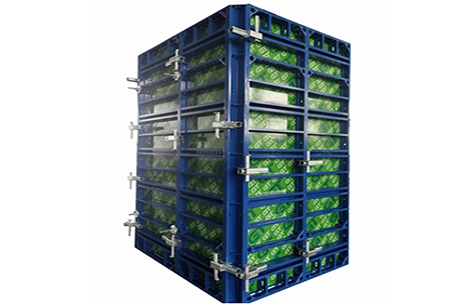
Selecting suitable trench box manufacturers is crucial for contractors involved in pipeline laying, sewage lines, drainage systems, gas pipelines, cable trenches, culverts, and underground utility projects. In these projects, trench boxes are not just temporary support products. They directly impact excavation safety, operational efficiency, installation speed, and overall project cost.
For B2B buyers, the real question is not just "What is the price?" The more important question is: Can the manufacturer provide a trench support system that matches the trench depth, width, soil conditions, pipe diameter, working space, transportation requirements, and turnaround plan?
Lianggong Formwork can provide trench excavation and pipe laying formwork solutions for underground construction projects. Their trench box system uses Q355 steel panels and struts, with simple connection methods, adjustable working dimensions, and reusable components, helping contractors establish a safer and more efficient trench working environment.
Pipeline laying and underground utility projects often require long-distance, narrow, and relatively deep excavation work. In these projects, workers may need to enter the trench for pipe positioning, interface connection, bedding adjustment, elevation checks, or preparation before backfilling. Without proper support, the trench walls may become unstable due to soil pressure, vibration, groundwater, nearby traffic, or weather changes.
Trench Box is the key equipment to address this challenge. It can support the excavation sidewalls and form a more controllable working space inside the trench, commonly used in sewage pipelines, storm drains, water supply pipelines, gas pipelines, power cable trenches, communication corridors, road crossing pipelines, and foundation-related excavation projects.
For contractors, choosing the right trench support system can bring three practical values. First, it helps protect underground workers. Second, it enhances on-site efficiency by creating a clearer and more stable working area. Third, it supports repeated excavation construction cycles, especially for projects with longer pipelines or many similar trench sections.
In many infrastructure projects, trench boxes will be moved section by section with lifting equipment as excavation and pipeline installation progress. Therefore, the system must be robust enough to adapt to site conditions and easy to install, adjust, dismantle, and reuse.
When comparing suppliers, contractors should avoid making judgments based solely on product images or unit prices. A reliable manufacturer should understand the risks of underground construction and provide a system that matches the project conditions.
Buyers should first check whether the manufacturer can provide a complete trench support system, including box panels, struts, connectors, lifting points, adjustment options, and proper packaging. A trench system composed of mismatched parts may reduce assembly efficiency and pose unnecessary on-site risks.
Second, buyers should check whether the manufacturer can support different trench widths and depths. Pipeline laying projects may involve different pipe diameters, bedding thicknesses, working clearance requirements, and excavation widths. If the trench box cannot be reasonably adjusted, the installation space for workers may be limited, or the system may not match the excavation design.
Third, manufacturing capability is important. The quality of steel panels, struts, welds, connectors, and surface treatment affects the system's durability and reusability. For contractors planning multiple projects or long pipeline construction, component reliability is more important than a slight initial price difference.
Fourth, project communication ability should be considered. Professional suppliers should proactively understand project data, including trench depth, trench width, pipe diameter, soil type, groundwater conditions, lifting equipment, transportation restrictions, and expected turnaround times before recommending a solution.
A practical trench support system should have characteristics such as high strength, adjustability, easy assembly, and suitability for reuse. For pipeline laying operations, the most important components are usually the panels and struts.
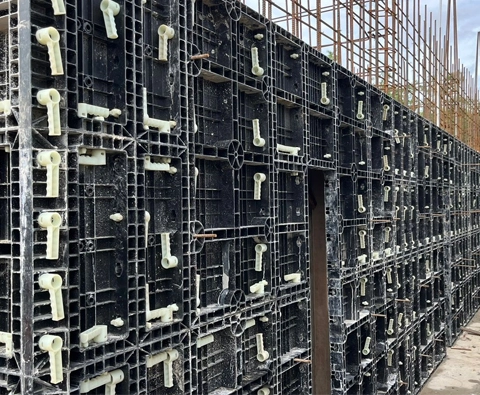
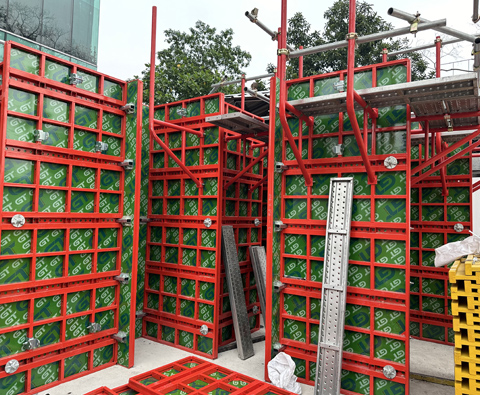
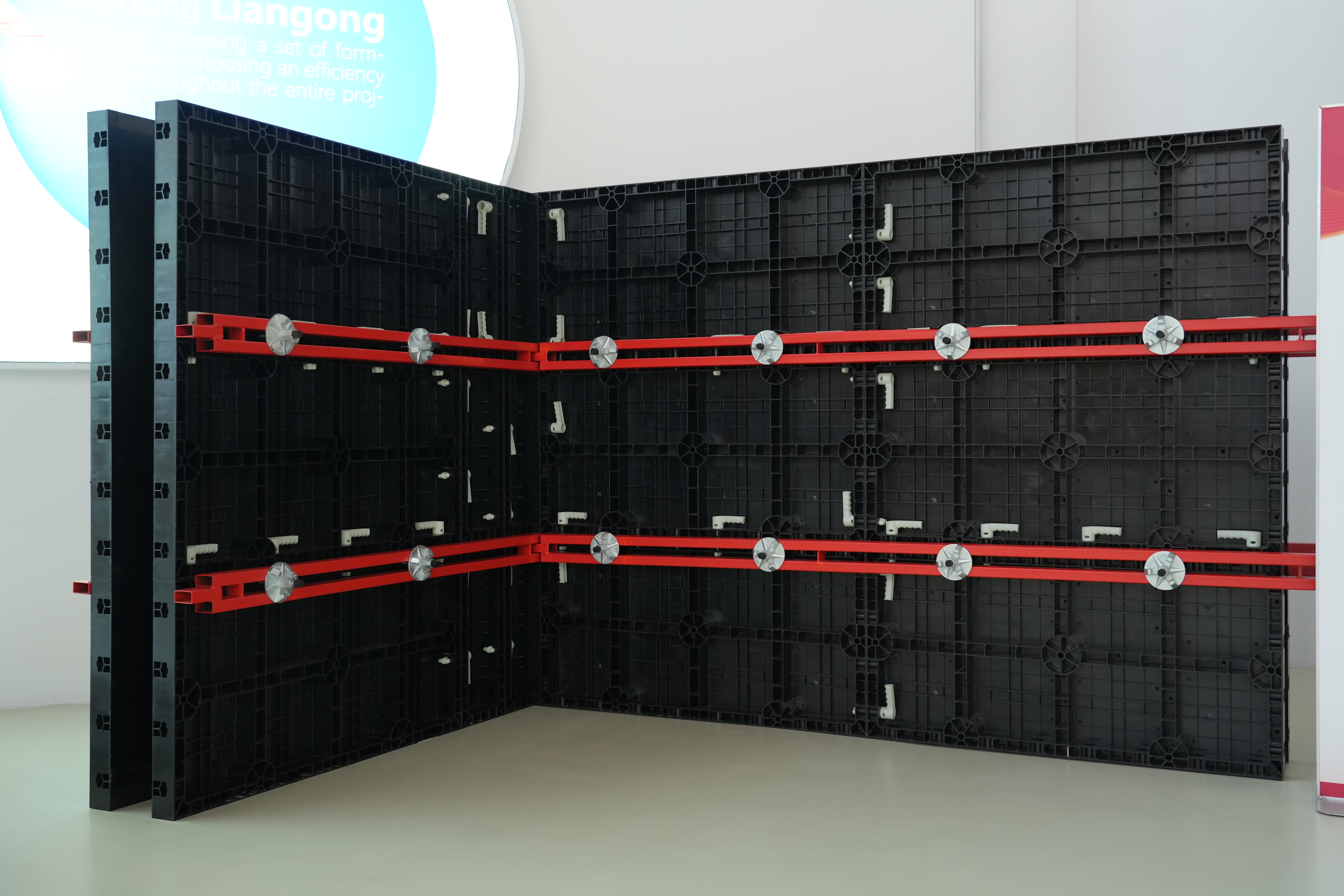
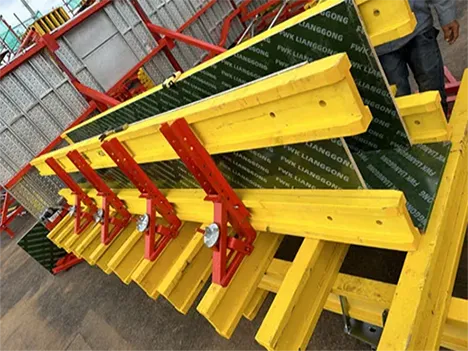
Steel panels form the main protective sidewalls of the trench box. They must have sufficient strength and stiffness to resist soil pressure during excavation and pipe installation. Lianggong's trench boxes are made of Q355 steel, providing a sturdy and durable structure for trench construction applications.
Struts connect the two side panels and maintain the required trench width. Adjustable struts are especially valuable because trench width varies with pipe diameter, bedding material, and operational requirements. A system that uses a simple panel and strut connection method can reduce assembly time and make on-site adjustments more convenient.
Buyers should also pay attention to working width and height. The trench box should match the required excavation dimensions while leaving enough space for workers and pipe installation. A box that is too narrow will reduce construction efficiency, while one that is too large or heavy may affect the efficiency of on-site equipment handling.
Turnaround times are also a key factor. Many contractors will reuse trench boxes in multiple trench sections or different projects. A reusable system can reduce long-term costs, provided that panels, struts, pins, and connectors remain reliable after repeated lifting, installation, and dismantling.
Excellent manufacturers should be able to recommend appropriate system sizes and configurations according to project requirements, rather than providing a single standard size for all projects.
Before requesting a quote, buyers should prepare basic project information. This helps manufacturers recommend safer and more accurate trench formwork solutions.
The most important information includes:
Trench depth and width
Pipe diameter and pipe material
Soil conditions and groundwater situation
Pipeline length or number of trench sections
Required working space inside the trench
Available excavation or lifting equipment on site
Road, urban or remote site access conditions
Expected turnaround frequency
Trench depth affects panel height and support requirements. Wider trenches may require longer struts or different box configurations. Larger pipe diameters usually require more working clearance. Poor soil or groundwater conditions may require stronger support planning and stricter on-site management.
On-site access conditions are also important. Municipal utility projects may face issues such as narrow roads, traffic control, limited storage space, or short construction windows. Remote projects may require more robust packaging, more detailed loading plans, and components that are easy to sort after arrival. For international buyers, sea freight and container loading should also be considered before shipment.
When contractors provide this information in advance, suppliers can offer more practical advice and reduce the risk of design mismatches after delivery.
Lianggong Formwork supports trench excavation and pipe laying projects through product manufacturing, project communication, packaging planning, and technical services. For contractors, this full-process support is crucial because underground construction projects often face constantly changing site conditions and strict safety requirements.
Lianggong's trench support system uses Q355 steel panels and struts, with simple and direct connection methods, helping to reduce on-site installation complexity. The working width and height can be adjusted according to different trench construction needs, making the system more flexible for pipeline laying, sewage, drainage, and utility pipeline trench projects.
In addition to product supply, Lianggong also provides template recommendations for buyers based on project requirements. The team can communicate quality, price, delivery, packaging, and technical details with customers before order confirmation. For customized or project-oriented needs, drawing communication and technical planning can help buyers better understand system configurations.
Packaging is also a practical advantage that overseas buyers are very concerned about. Trench formwork components must be packaged according to size, weight, and transportation conditions. Good packaging helps reduce damage, component loss, and unloading chaos after the goods arrive in the project country.
For customers using the Lianggong system for the first time or needing support during the application phase, on-site technical guidance can be arranged as needed. This helps construction teams understand the correct assembly, adjustment, lifting, inspection, and reuse processes.
Why choose Lianggong Formwork's trench box? Lianggong Formwork is not just a product supplier but a project partner. Compared with similar products on the market, Lianggong's trench box has the following advantages:
Material assurance: The entire series uses Q355 high-strength structural steel, which has higher yield strength and deformation resistance compared to conventional Q235
Complete system: Provides an integrated solution of panels, struts, connectors, and lifting points to avoid on-site risks caused by assembled parts
Project customization: Recommends matching configurations based on trench depth, width, pipe diameter, and soil conditions, avoiding a "one-size-fits-all" approach
International delivery: Equipped with overseas packaging, container loading, and export logistics experience to ensure safe arrival of goods in the project country
For pipeline laying and underground utility construction, trench boxes are the key systems affecting worker safety, on-site efficiency, installation speed, and project cost. An ideal supplier should not just provide product quotes but also help contractors match suitable systems according to trench depth, trench width, pipe diameter, soil conditions, on-site access, and turnaround requirements.
Lianggong Formwork uses Q355 steel panels, adjustable struts, simple connection methods, and reusable components to provide reliable trench box solutions for trench excavation and pipe laying projects. For contractors engaged in sewage pipelines, drainage systems, gas pipelines, cable trenches, culverts, or other underground utility projects, choosing the right trench box manufacturer can reduce on-site uncertainties and improve construction efficiency.
Need to match a suitable trench box configuration for your project,feel free to contact our technical team, provide trench depth, width, pipe diameter, soil conditions, on-site access, and turnaround requirements, and we will recommend suitable trench support solutions for you.