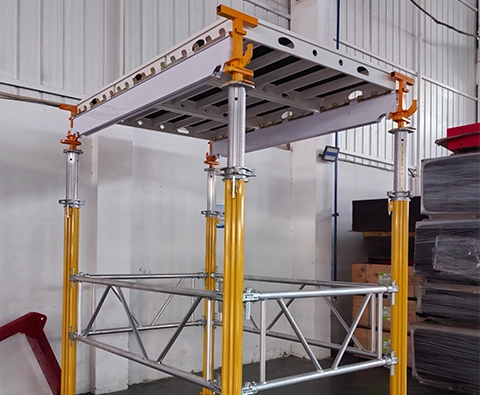
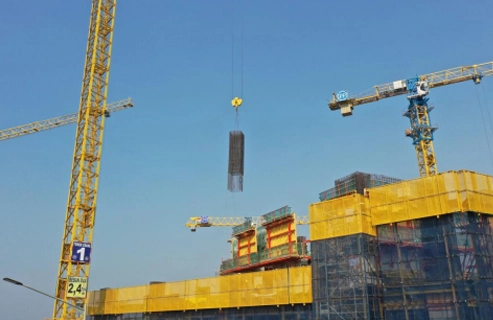
Wood formwork provides support for newly poured concrete by creating a temporary structural mold until the concrete reaches sufficient strength and can maintain its own shape. The system uses components such as H20 timber beams, plywood, wall formwork components, and support systems to achieve precise shaping of concrete structures like walls, columns, beams, and floors. Due to its high flexibility, cost-effectiveness, and ease of customization, wood formwork is still widely used in residential, commercial, infrastructure, and industrial construction projects worldwide.
Modern construction companies choose wood formwork systems because they can meet complex structural design requirements while maintaining reliable concrete surface quality. Professional suppliers, including experienced wood formwork companies, can develop comprehensive solutions that consider load-bearing performance, installation efficiency, and project needs.
Wood formwork is a temporary building system used to maintain specific shapes during concrete curing. Before concrete pouring begins, construction personnel install timber beams, plywood, clamps, and support structures according to design requirements. Once the concrete reaches sufficient strength, the formwork is removed and can be used for subsequent construction stages.
The workflow of wood formwork usually includes:
Engineers analyze construction requirements according to project dimensions, load requirements, and structural conditions and select suitable wood formwork components.
H20 timber beams, plywood, and support frames are installed together to form a stable concrete mold structure.
The assembled formwork system can withstand the pressure exerted by the concrete while maintaining accuracy in structure dimensions, position, and shape.
Once the concrete hardens to the required level, the formwork system is dismantled and, after maintenance, is used for the next construction.
Reliable H20 timber beam manufacturers play an important role in ensuring the stability, precise dimensions, and long-term reuse performance of timber beams.
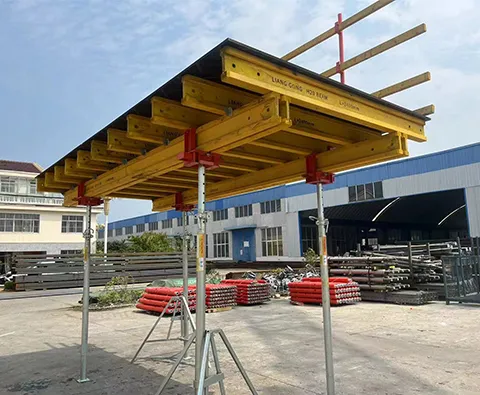
Wood formwork continues to be favored by the construction industry because it combines flexibility, construction efficiency, and economic advantages. Compared to some more rigid formwork systems, wood formwork can more easily adapt to different project designs and construction environments.
Key advantages include:
Construction projects often involve unique architectural requirements, irregular structures, or customized concrete shapes. Wood formwork can be adjusted and modified according to on-site needs, making it suitable for various engineering scenarios, such as:
Residential buildings
Commercial complexes
Bridges and tunnels
Industrial facilities
Infrastructure projects
This flexibility makes professional column timber formwork suppliers important partners for meeting different column sizes and structural needs.
Well-designed wood formwork can provide stable support during concrete pouring, reducing deformation, leakage, and surface defects. High-quality plywood and precisely manufactured timber beams can help achieve smoother concrete surfaces and improve structural construction precision.
Wood formwork systems can achieve a good balance between investment costs and performance. After proper maintenance, core components like H20 timber beams can be reused multiple times, reducing overall construction costs.
Wood formwork is suitable for various concrete forming applications and has specialized design solutions for different structural parts.
A complete wood formwork system typically consists of the following key components:
H20 timber beams are the primary load-bearing components in many wood formwork systems. They are lightweight, have a high strength-to-weight ratio, and offer good durability, making them ideal for wall, column, and floor construction.
Collaborating with experienced H20 timber beam manufacturers ensures stable beam quality and reliable performance when bearing high-strength concrete loads.
Plywood is the surface material that directly contacts concrete and determines the forming effect. High-quality template boards help achieve smoother concrete surfaces and increase the number of formwork reuses.
Other auxiliary components include:
Steel supports
Clamps
Connectors
Pull rods
Support systems
These components together form a stable formwork structure capable of safely bearing the pressure during the concrete pouring process.
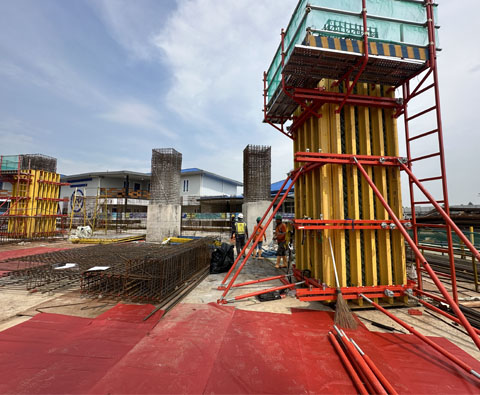
Choosing the right supplier directly impacts construction efficiency, product quality, and project costs. Contractors should focus on the following factors when selecting suppliers:
Qualified suppliers should have advanced production equipment, strict quality control systems, and rich experience in producing building-grade wood formwork systems.
When looking for column timber formwork suppliers, companies should prioritize those who can provide customized design solutions rather than just supplying standard products.
Professional suppliers should provide technical support, including:
Formwork design suggestions
Installation guidance
Structural optimization solutions
Project custom solutions
Experienced column timber formwork exporters can help international engineering projects run smoothly by providing complete technical documents, logistics support, and professional services.
A trustworthy wood formwork company should have successful cooperation experiences with contractors, construction companies, and engineering firms from different regions.
Different formwork materials are suitable for different types of construction needs. Wood formwork maintains strong competitiveness in the industry with its balance between performance and cost.
| Characteristic | Wood Formwork | Steel Formwork | Aluminum Formwork |
|---|---|---|---|
| Flexibility | Excellent | Moderate | Limited |
| Customization Ability | High | Moderate | Low |
| Initial Cost | Lower | Higher | Higher |
| Weight | Lightweight | Heavier | Lightweight |
| Applicable Projects | Various structural types | Large-scale repetitive construction projects | Standardized buildings |
For projects requiring customized concrete structures, wood formwork often provides greater design flexibility compared to more standardized formwork systems.
With its flexibility, cost advantages, and reliable concrete forming performance, wood formwork continues to play an important role in the global construction industry. From column structures and wall systems to advanced floor formwork solutions, wood formwork systems help contractors achieve higher precision construction results while improving overall construction efficiency.
Choosing experienced suppliers is crucial to project success. Professional column timber formwork suppliers, column timber formwork exporters, or wood formwork companies can provide customized solutions that meet different construction needs and international engineering standards.