Aluminum alloy formwork effectively improves construction efficiency by providing lightweight, reusable, and high-precision solutions for reinforced concrete structures. Compared to traditional wood and steel formworks, aluminum alloy formwork systems offer advantages such as faster installation speed, higher dimensional accuracy, reduced labor demand, and better concrete forming effects.
For high-rise residential buildings, commercial complexes, and large concrete engineering projects, selecting an experienced aluminum alloy formwork manufacturer is crucial to achieving stable product quality, shortening construction cycles, and reducing long-term construction costs.
Aluminum alloy formwork is a modular construction system composed of high-strength aluminum alloy panels and support components. It is mainly used for the repetitive construction of concrete structures, including walls, floors, columns, beams, and other structural components.
Unlike traditional formwork construction methods that require extensive on-site cutting, adjustment, and modification, aluminum alloy formwork uses standardized prefabricated components based on project drawings. These components are assembled on-site to form a complete concrete pouring mold.
The typical aluminum alloy formwork construction process includes:
Installing aluminum alloy wall and floor formworks
Connecting support systems and related accessories
Installing reinforcement and embedded components
Pouring concrete
Removing and repositioning formwork once concrete reaches specified strength
Using the formwork system for the next construction cycle
The modular design allows contractors to efficiently complete repetitive building structure constructions while maintaining high precision.
Aluminum alloy formwork offers significant advantages in construction speed, precision, durability, and cost control.
One of the biggest advantages of aluminum alloy formwork is its ability to accelerate construction cycles. Due to the system's standardized prefabricated components, fewer on-site adjustments are needed compared to traditional wood formwork.
For high-rise building projects with high floor structure repetition, aluminum alloy formwork can help construction teams quickly complete single-floor construction cycles, thereby improving overall project progress.
The aluminum alloy formwork system is manufactured with high precision, ensuring good alignment and stability during the concrete pouring process.
The rigid aluminum alloy panels can achieve:
Smooth and flat concrete surfaces
Consistent wall thickness
Precise structural dimensions
Reduced need for post-plastering and finishing work
Therefore, for projects requiring high concrete appearance quality and structural dimensional precision, aluminum alloy formwork has clear advantages.
Although the initial investment cost of aluminum alloy formwork may be higher than traditional wood formwork, its reusability can significantly reduce replacement costs and material consumption.
For contractors managing multiple projects simultaneously, reusable aluminum alloy formwork can offer higher long-term economic value.
Modern aluminum alloy formwork solutions include various components to meet the construction needs of different building structures.
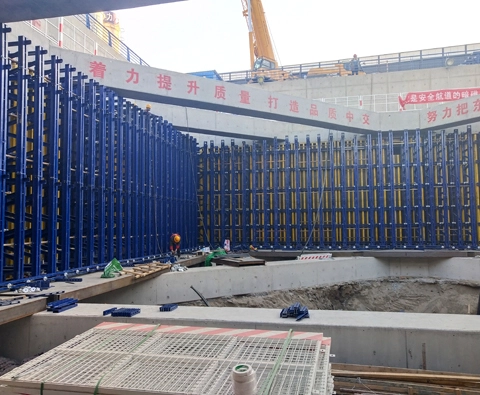
Aluminum alloy wall formwork is mainly used for vertical concrete structures, such as:
Shear walls
Core tube walls
Exterior walls
Interior partition walls
Its high rigidity structure can maintain precise wall dimensions during concrete pouring.
In high-rise building construction, aluminum alloy wall formwork can effectively improve construction speed and reduce the workload of manual adjustments.
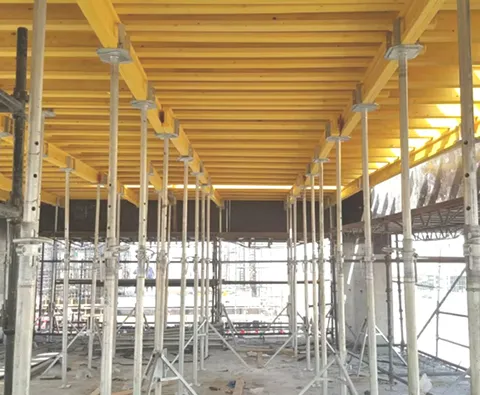
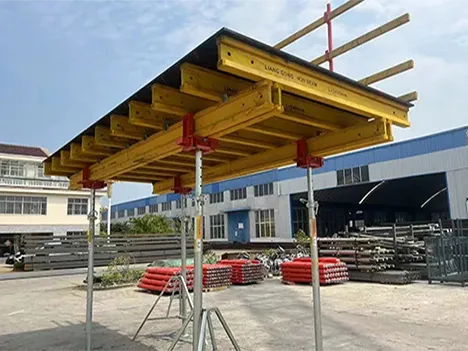
Aluminum alloy floor formwork is mainly used for horizontal structure construction, including:
Floors
Roof systems
Concrete platforms
It provides stable support during floor pouring and can be quickly removed and reused once the concrete meets strength requirements.
When aluminum alloy floor formwork is combined with wall formwork systems, it can form a complete construction solution for building concrete structures.
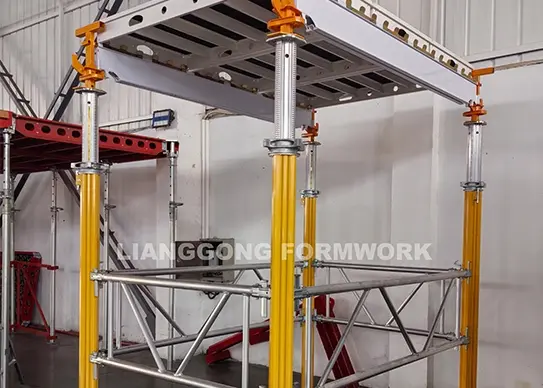
High-rise building construction requires solutions that ensure quality and meet the rapid construction needs of repetitive structures.
Aluminum alloy formwork supports high-rise building projects in the following ways:
High-rise buildings often have a large number of similar floor structures. The aluminum alloy formwork system can be reused layer by layer, forming a more stable and predictable construction process.
Quick installation and removal cycles help contractors maintain a stable construction schedule and reduce the risk of project delays.
Compared to temporary wood structure formwork, aluminum alloy formwork provides a more solid and stable construction environment.
A reasonably designed formwork system can reduce construction risks caused by unstable formwork structures.
China has become one of the world's important construction formwork manufacturing bases, thanks to mature production capabilities, rich engineering experience, and a complete supply chain system.
Professional Chinese aluminum alloy formwork suppliers can offer:
Customized formwork design
Advanced CNC machining
Complete supporting systems
Strict quality inspection processes
Rich international project experience
For overseas contractors, collaborating with experienced Chinese suppliers provides reliable aluminum alloy formwork solutions and more competitive cost advantages.
Choosing the right supplier directly affects construction outcomes and project results.
Professional aluminum alloy formwork manufacturers should have:
Qualified manufacturers should be able to provide customized solutions based on the following factors:
Building structure type
Floor layout
Concrete construction requirements
Construction sequence
Local project environmental conditions
High-quality aluminum alloy formwork requires precise manufacturing processes to ensure:
Accurate formwork dimensions
Strong and reliable connection structures
Stable load-bearing capacity
Long service life
Reliable suppliers should provide:
Installation guidance
Technical documentation
Training support
Project consulting services
These services can help contractors maximize the efficiency of the aluminum alloy formwork system and extend product lifespan.
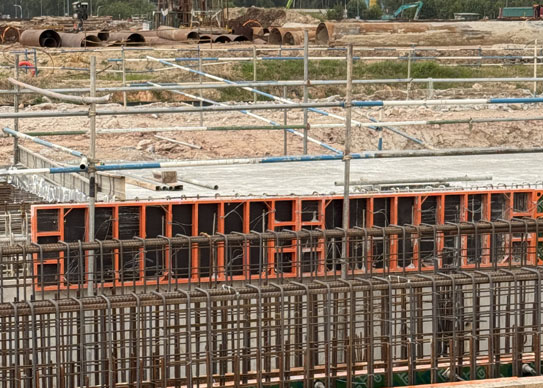
Yes, for repetitive construction projects, aluminum alloy formwork provides better overall cost-effectiveness.
Although the initial procurement cost may be higher, the overall project cost can be reduced through:
Multiple reuse
Reduced labor demand
Accelerated construction speed
Decreased post-construction finishing
Reduced material waste
For high-rise residential projects and large-scale development projects, the long-term savings usually exceed the initial investment.
Aluminum alloy formwork has become one of the preferred construction solutions in modern building projects due to its advantages in construction speed, structural precision, durability, and cost efficiency.
With its lightweight aluminum alloy structure, reusable components, and precise modular design, aluminum alloy formwork can help contractors achieve faster construction cycles and obtain higher quality concrete forming effects.
For developers and construction companies seeking reliable construction solutions, collaborating with experienced aluminum alloy formwork manufacturers and professional Chinese aluminum alloy formwork suppliers can provide the technical support and product reliability needed for successfully completing high-rise and large concrete projects.